12 Mar 2026
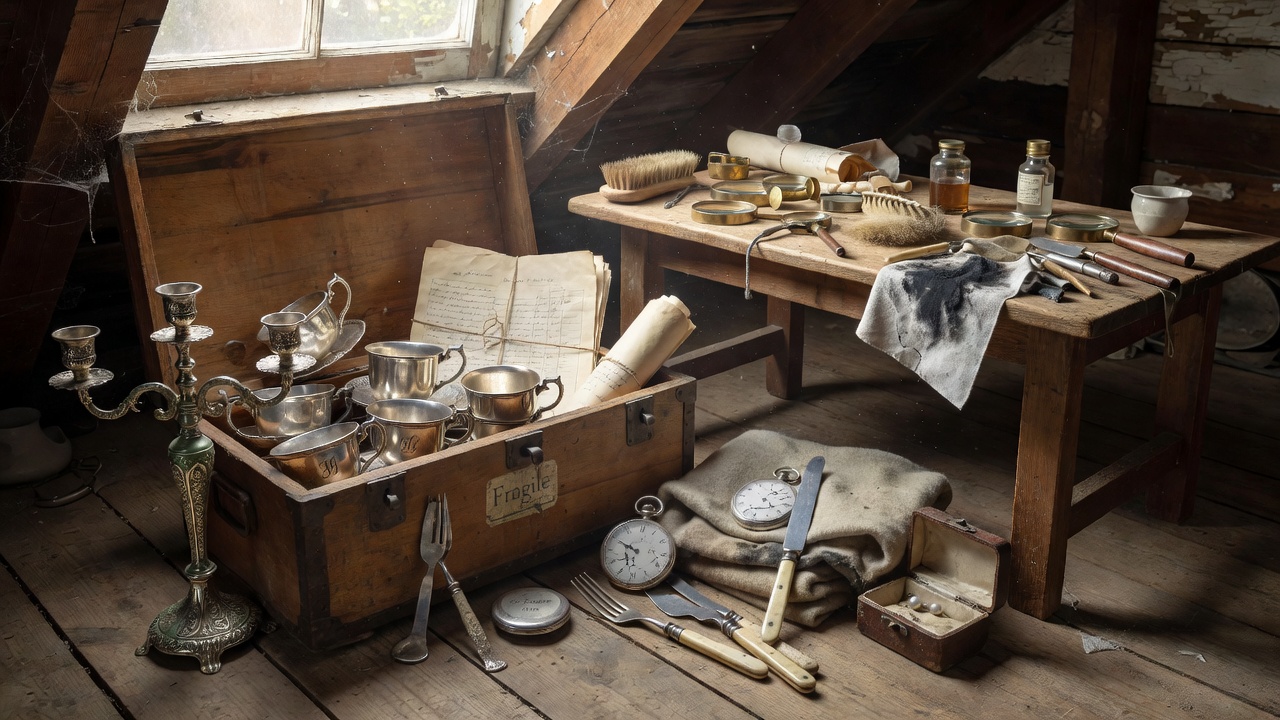
Silver attic finds offer collectors and enthusiasts a chance to discover unique pieces with history and potential value. Knowing what to watch helps avoid common pitfalls and ensures selections that stand the test of time. Focus on key indicators like material composition, craftsmanship, and provenance before making a purchase.
Verifying Hallmarks and Authenticity
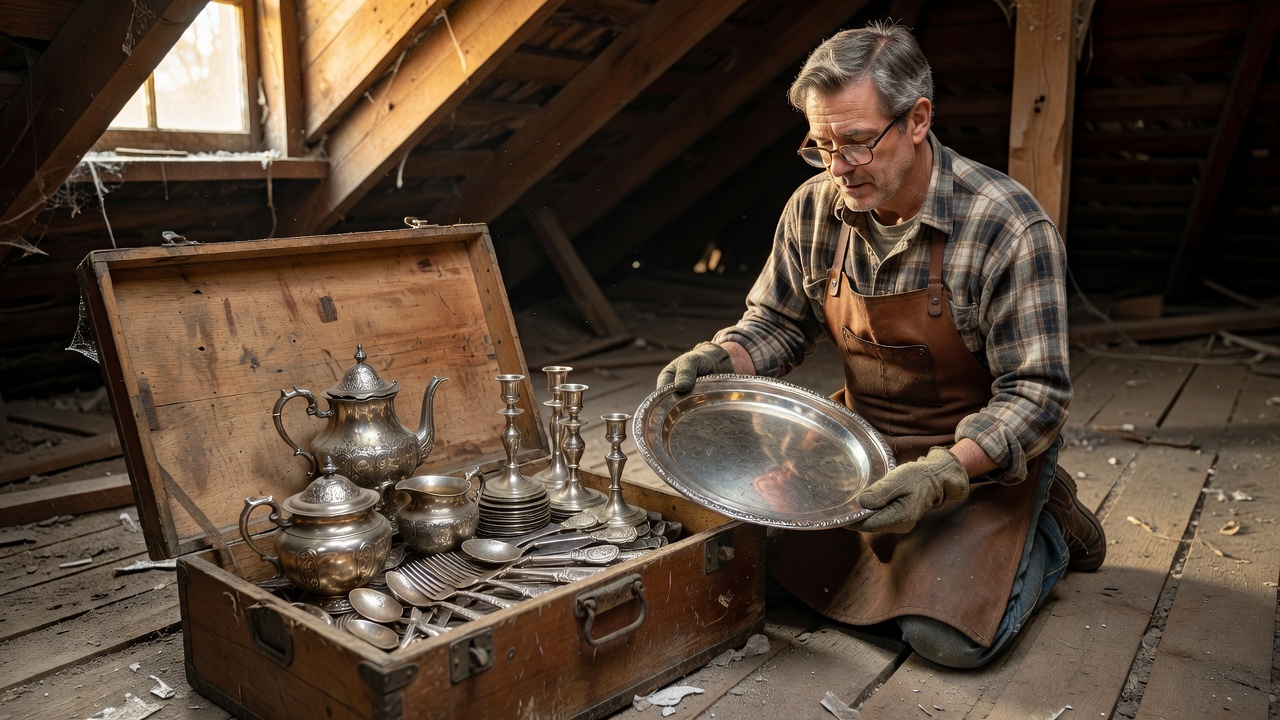
Examine every piece for clear hallmarks indicating silver content. Look for stamps such as 925, sterling, or regional assay marks that confirm purity levels. Counterfeit items often feature blurry or inconsistent markings, so use a magnifying glass and compare against reliable reference guides. Testing with a silver acid kit provides additional confirmation without damaging the item. Avoid pieces lacking any marks unless provenance documents support their origin.
Assessing Physical Condition
Inspect surfaces for dents, deep scratches, or repairs that affect structural integrity. Light tarnish is normal and removable with proper care, but heavy corrosion may signal long-term exposure to moisture. Check handles, lids, and hinges on items like teapots or boxes for secure attachment. Weigh the piece against similar examples to detect hollow or filled sections that reduce value. Store finds in dry, acid-free environments to prevent future degradation.
Researching Value and Rarity
Compare your find with recent sales data from established auction records or dealer catalogs. Factors like age, maker reputation, and unique design elements influence pricing more than size alone. Consult multiple sources to establish a realistic market range rather than relying on a single appraisal. Rare patterns from lesser-known silversmiths sometimes appreciate faster than mass-produced goods. Keep detailed records of each acquisition including photos and purchase details for insurance and resale purposes.