16 Jun 2026
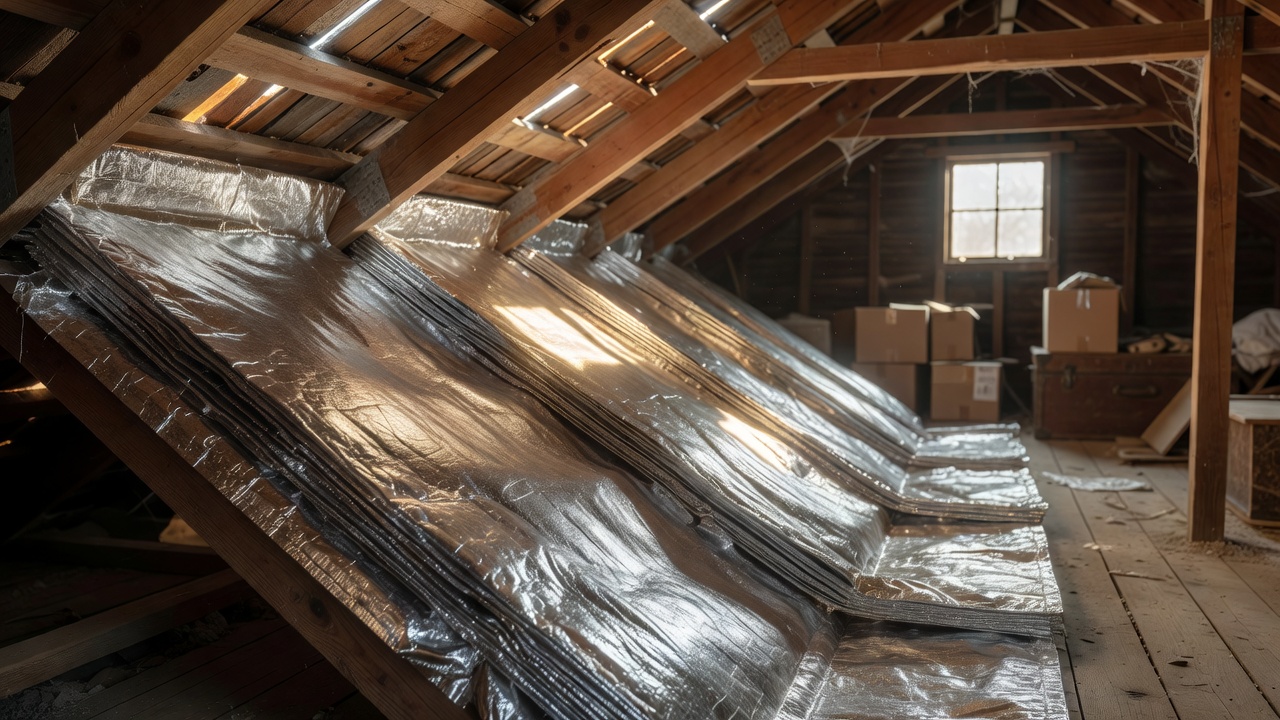
Silverattic is a reflective insulation material designed specifically for attic spaces. It uses multiple layers of metallized film to redirect radiant heat away from living areas. Homeowners often select it when seeking to improve energy efficiency without major structural changes.

What Is Silverattic?
The product consists of thin sheets that are stapled or laid across attic rafters. Its silver surface reflects up to 97 percent of radiant heat, which helps maintain stable indoor temperatures throughout the year. Unlike traditional fiberglass batts, Silverattic does not absorb moisture or settle over time, preserving its performance for decades.
Installation requires basic tools and attention to ventilation paths. Proper placement leaves an air gap on the reflective side to maximize effectiveness. The material is lightweight, making it suitable for both new construction and retrofit projects in residential attics.
Key Benefits of Silverattic
Energy savings represent the primary advantage. By reducing heat gain in summer and heat loss in winter, households can lower cooling and heating costs. Many users report noticeable reductions in attic temperatures during peak summer months.
Additional benefits include improved comfort on upper floors and reduced strain on HVAC systems. The material also acts as a vapor barrier when seams are properly sealed, limiting moisture movement that can lead to mold growth. Durability is another factor; the metallized layers resist corrosion and maintain reflectivity over long periods.
Environmental considerations favor Silverattic because it contains no harmful fibers and can be recycled at the end of its service life. It requires minimal maintenance after installation, typically needing only periodic visual inspections for damage.
How to Choose the Right Silverattic Solution
Selection depends on attic configuration and climate zone. Wider rolls suit large open spaces, while narrower widths work better around obstacles. Always verify R-value ratings and compatibility with existing insulation before purchase.
Professional assessment is recommended for complex rooflines or when combining Silverattic with other insulation types. Following manufacturer guidelines for overlap and sealing ensures optimal performance. Regular checks for tears or displaced sections help maintain long-term efficiency.