24 Oct 2026
Sequential Timelines Drive Insights into Participant Roles and Regulatory Shifts
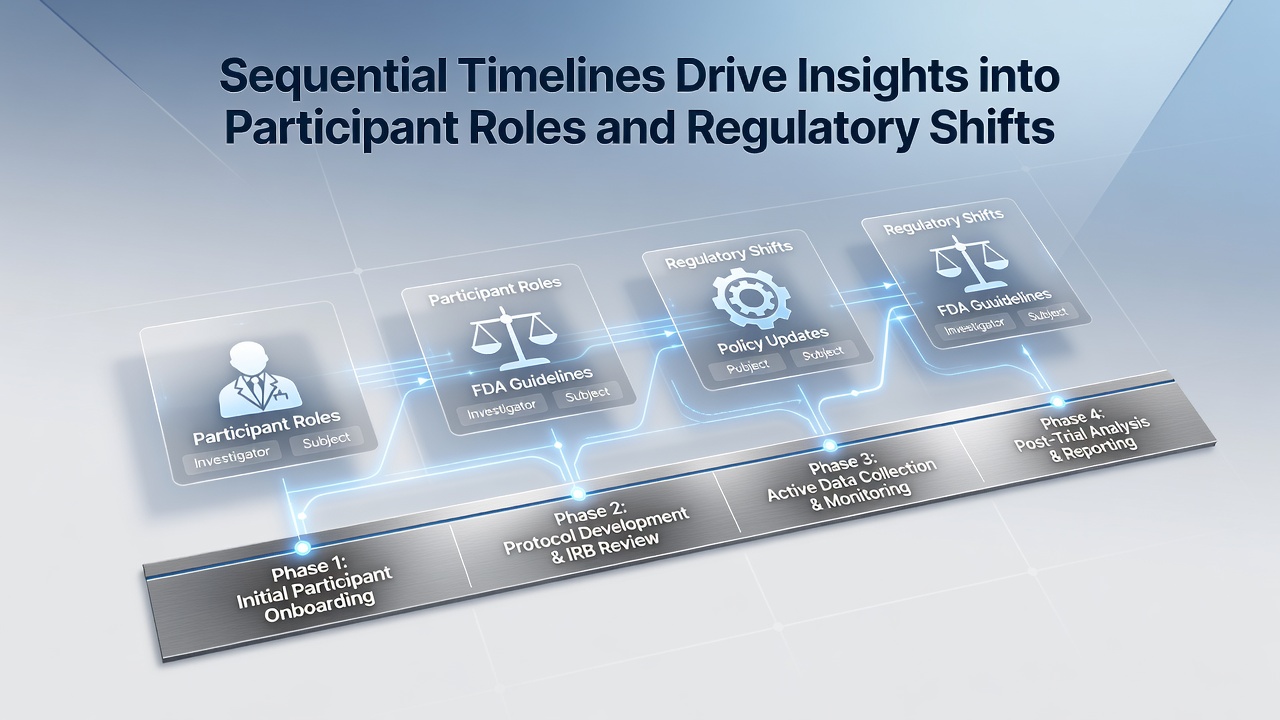
Sequential timelines serve as analytical frameworks that map events in chronological order, allowing researchers to trace how individuals and organizations influence regulatory developments over extended periods. Data from multiple jurisdictions shows these structures reveal patterns in decision-making sequences that static reports often overlook. Analysts compile records from government filings, meeting minutes, and policy drafts to reconstruct the order of actions taken by central banks, industry groups, and legislative bodies.
Mapping Event Sequences in Policy Development
Observers note that placing regulatory milestones on a linear timeline exposes the precise moments when participant input alters draft language or triggers public consultations. In the European Union, the Markets in Financial Instruments Directive revisions followed a documented path where initial proposals from 2018 led to stakeholder submissions in 2020 and final adoption in 2022. Similar sequences appear in Canadian federal frameworks for digital asset oversight, where provincial regulators coordinated with the federal Office of the Superintendent of Financial Institutions through staged reviews between 2019 and 2024.
Those who study these records find that participant roles shift depending on the stage of the timeline. Early phases typically feature academic institutions and trade associations supplying technical evidence, while later stages involve enforcement agencies issuing guidance documents. Australian Treasury records demonstrate this progression during the 2021-2023 payments system reforms, where initial industry submissions preceded formal legislative amendments.
Identifying Role Transitions Across Jurisdictions
Comparative timeline analysis across regions highlights how the same organization may occupy different positions as regulations evolve. The U.S. Securities and Exchange Commission, for instance, moved from observer status in early cryptocurrency discussions to lead enforcement entity once specific rules entered the proposal stage in 2023. Parallel shifts occurred in Singapore, where the Monetary Authority adjusted its stance on stablecoin issuers after regional peer reviews concluded in late 2024.
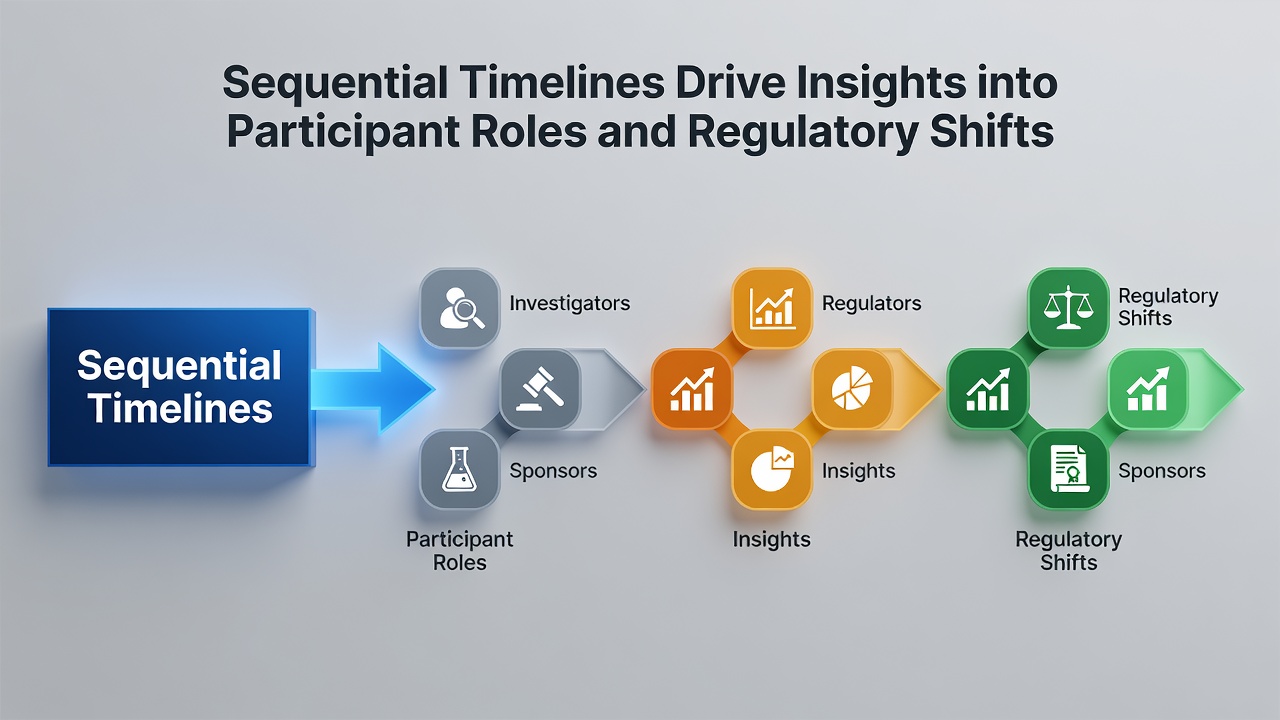
Research indicates these transitions become visible only when events receive precise dating and cross-referencing. Without sequential ordering, analysts risk attributing influence to entities that entered the process after key decisions had already formed. European Central Bank publications from 2025 illustrate how early input from payment processors shaped settlement rules that later applied to non-bank entities.
Projecting Forward to October 2026 Milestones
Current schedules point to several regulatory activations in October 2026 that timeline studies can help anticipate. The European Securities and Markets Authority plans to implement updated reporting standards for crypto-asset service providers, following a sequence that began with consultation papers released in 2024. Canadian authorities have aligned their own digital asset custody guidelines to coincide with this period, creating overlapping compliance windows for cross-border firms.
Sequential mapping also tracks how participant coalitions form and dissolve. Records show temporary alliances between smaller fintech companies and larger banks during comment periods, followed by divergence once implementation costs become clearer. Such patterns repeat across multiple regulatory cycles according to aggregated data from national archives.
Analytical Tools Supporting Timeline Construction
Specialized software now extracts dates and actor names from unstructured policy documents, reducing manual effort while preserving accuracy. These systems link individual submissions to subsequent amendments, producing visual sequences that regulators themselves review during impact assessments. Academic teams at institutions in the Netherlands and New Zealand have published methodologies for validating timeline completeness against official gazettes and parliamentary transcripts.
One study revealed that incomplete timelines led to misidentification of primary influencers in roughly one-third of examined cases involving banking capital requirements. Corrected sequences demonstrated that mid-level technical working groups often determined outcomes later attributed to senior officials.
Conclusion
Sequential timelines continue to supply structured evidence for understanding how regulatory environments change and which participants drive those changes at each interval. By organizing records chronologically, analysts across regions obtain clearer views of role evolution and the timing of influence. October 2026 implementations will provide additional data points for refining these methods further.